
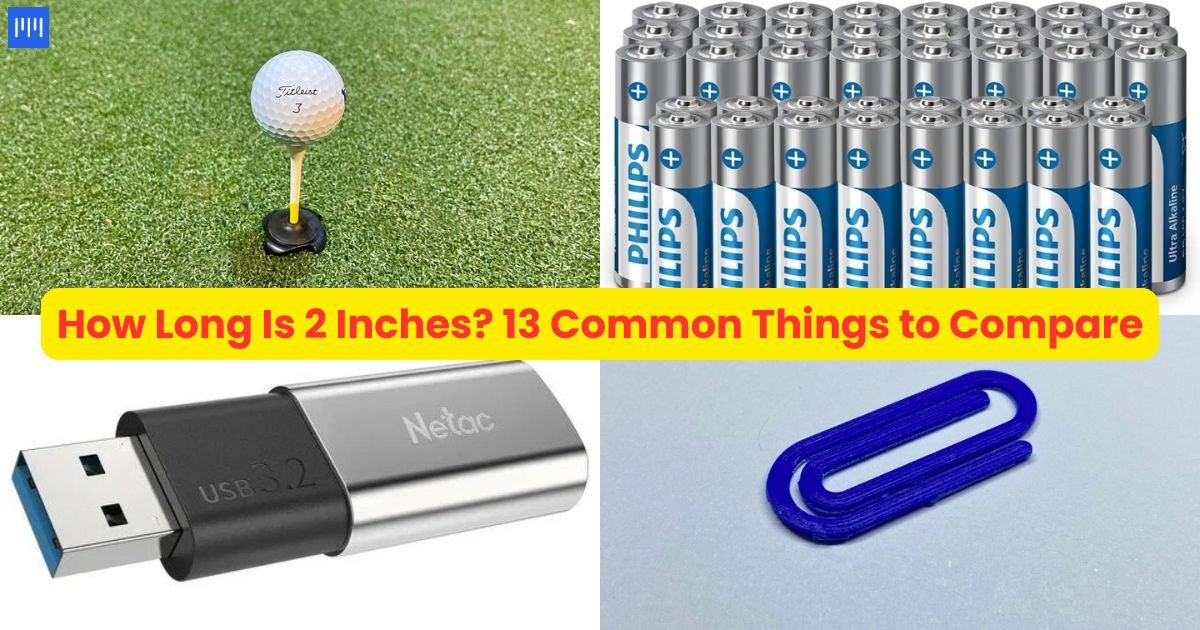
Two inches is a small unit of length equal to 1/6 of a foot or 5.08 centimeters. The inch has roots in ancient measurement systems, with its name linked to the Latin word uncia, meaning one-twelfth.
Think you know what 2 inches looks like? Without a ruler, even a small measurement can be surprisingly hard to judge. A familiar object beside it can suddenly make the difference clear and change how you see this tiny length.
We’ll turn 2 inches into something you can actually picture using 13 familiar everyday things. From objects around your home to items you handle regularly, these comparisons make 2 inches easy to understand.
How Big Is 2 Inches?
| Measurement | Equivalent |
| 2 inches | 5.08 cm |
| 2 inches | 50.8 mm |
| 2 inches | 1/6 of a foot |
| 2 inches | 0.0556 yards |
Two inches may sound easy to imagine, but its small size can be tricky to judge without a ruler. It is exactly 5.08 centimeters long, which is roughly the width of two adult fingers placed side by side. Comparing it with familiar objects makes this short measurement much easier to picture in real life.
How Long Is 2 Inches? 13 Common Things to Compare
Two inches is a useful small measurement that appears in many everyday situations. It can describe the width of a small object, the depth of a part, or the length needed for a simple task. Knowing this size helps when measuring items at home, in crafts, or during DIY work.
1. AA Battery
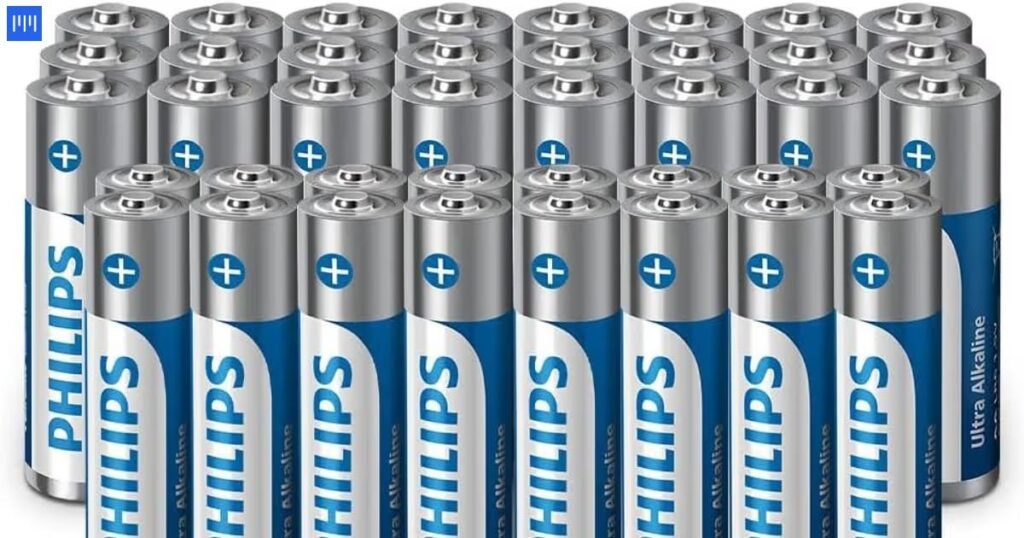
An AA battery is a small cylindrical battery measuring about 1.99 inches long. Its slim round body makes it almost exactly the same length as 2 inches, so it is an excellent everyday comparison.
AA batteries power TV remotes, wall clocks, toys, wireless mice, flashlights, and many other household devices. Their compact size makes them easy to store, replace, and carry when needed.
The AA battery size became widely established during the 20th century as portable electronics became more common. Interestingly, its familiar dimensions have stayed nearly unchanged for decades.
2. Small Lime
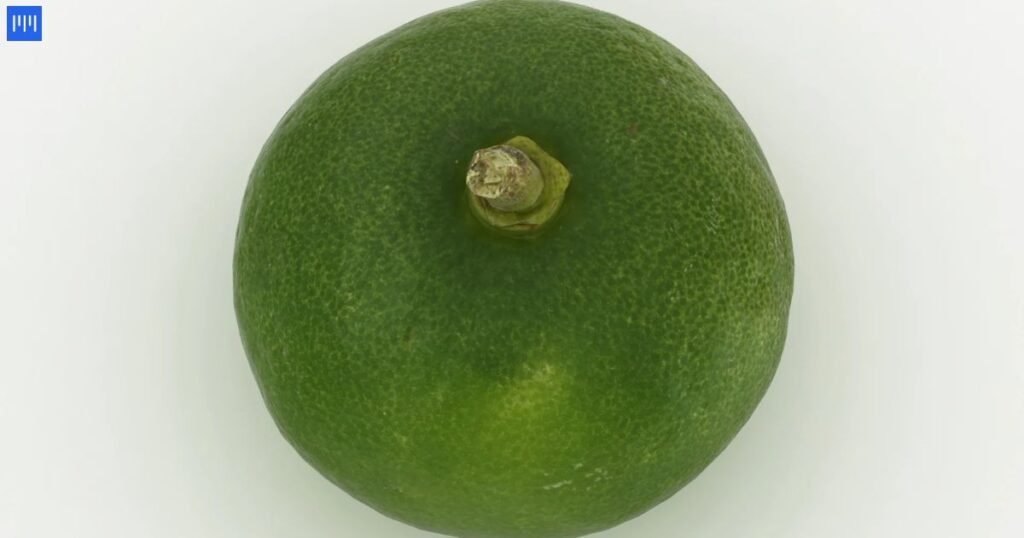
A small lime is a round citrus fruit that can measure roughly 1.5 to 2 inches across. A lime close to this size gives you a natural way to picture 2 inches without using a ruler.
Limes are commonly used in drinks, cooking, sauces, marinades, desserts, and garnishes. Their sharp juice and fragrant peel make them a useful ingredient in kitchens around the world.
Limes have been cultivated for centuries and later became important during long sea voyages. Citrus fruits were carried by sailors because their vitamin C helped protect against scurvy.
3. Large Paper Clip
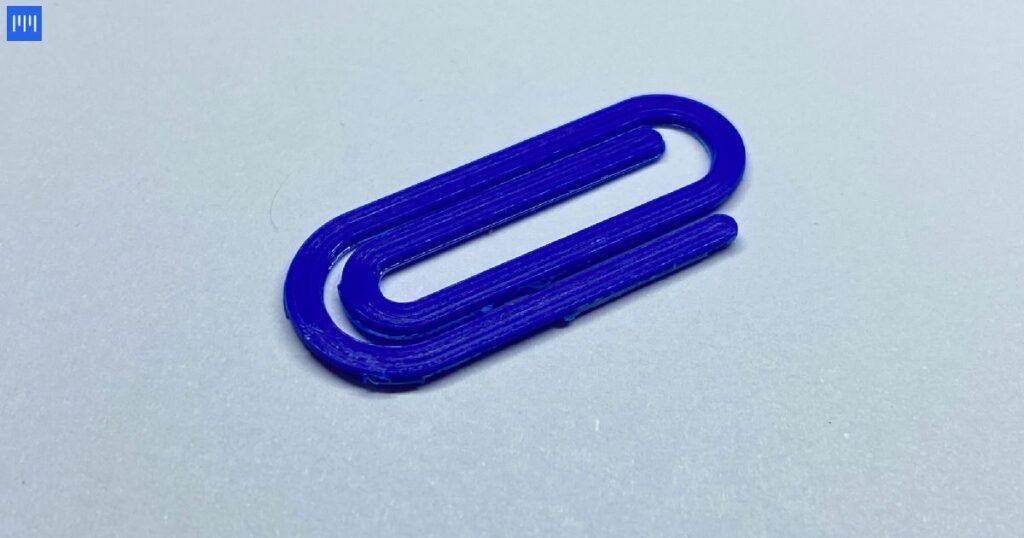
A large paper clip is usually around 1.5 to 2 inches long, depending on its design. One close to 2 inches provides a simple visual reference for understanding this short measurement.
Paper clips hold sheets of paper together without staples, glue, or holes. They are commonly found in offices, classrooms, home desks, and stationery drawers.
The familiar wire paper clip became popular during the late 19th century. Its simple design has survived for more than a century because one bent piece of wire can solve a surprisingly useful problem.
4. Golf Tee
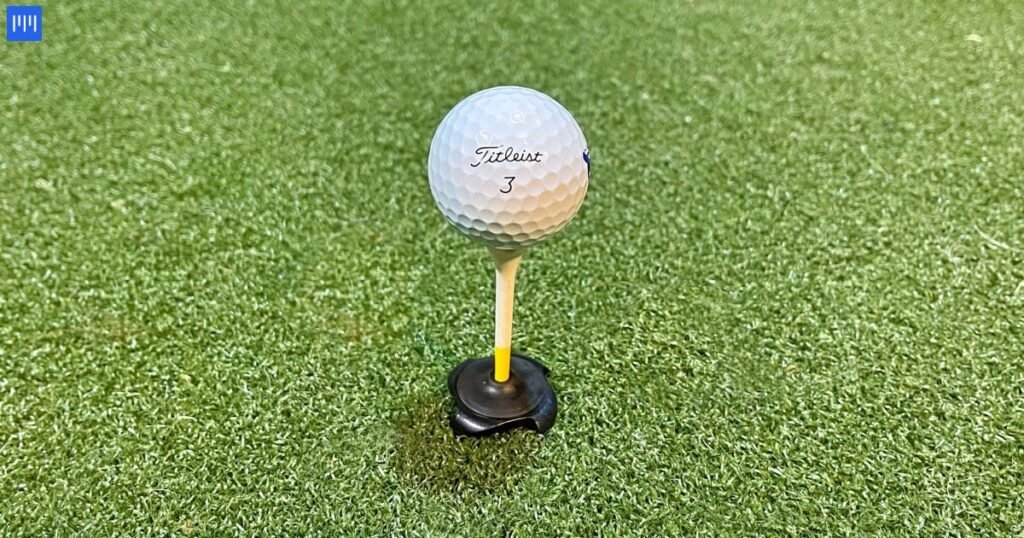
A standard golf tee is often about 2.1 inches long, making it just slightly longer than 2 inches. That small difference still makes it a useful object for visualizing this measurement. You need about 4 standard golf tees to make 14 inches.
Golfers push tees into the ground and place the ball on top before making their first shot. Different tee lengths are available to help players position the ball at a suitable height.
Before modern tees became common, golfers often placed their balls on small piles of sand. The wooden peg style became popular in the early 1900s and eventually became standard golf equipment.
5. Small Key
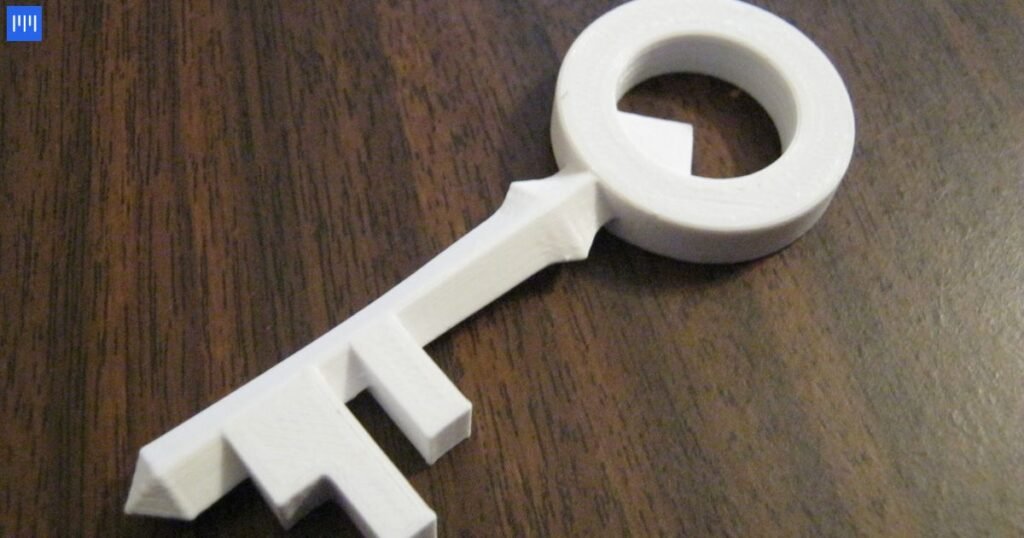
A small key can measure close to 2 inches from end to end, although its exact size depends on its purpose and design. A short house or cabinet key can therefore provide a familiar comparison.
Keys are used to open doors, cabinets, padlocks, vehicles, and many other secured objects. Their everyday purpose makes a small key an easy object to recognize and compare.
Keys and locks have existed for thousands of years, with some of the earliest examples made from wood. Ancient Egyptian locking systems appeared long before modern metal keys and precision locks.
6. USB Flash Drive
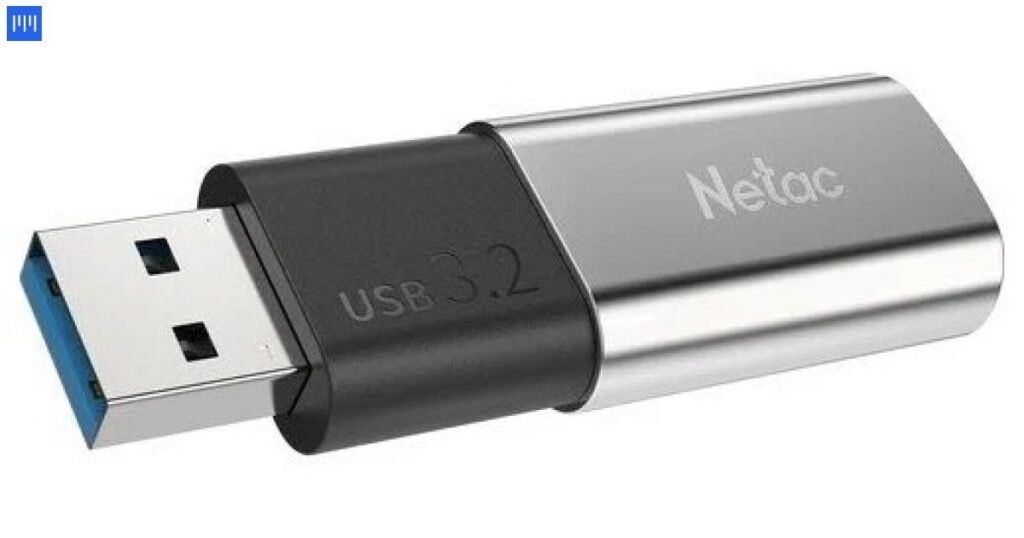
A compact USB flash drive can measure around 1.5 to 2.5 inches long, depending on its design. A smaller model near 2 inches gives you a useful modern reference for this measurement.
USB drives store and transfer files such as photos, documents, videos, and other digital data. Their small size allows people to carry important files easily between compatible computers.
USB flash drives became widely popular in the early 2000s. They gradually replaced older portable storage options such as floppy disks and made carrying digital files much more convenient.
7. Grape Cluster Stem
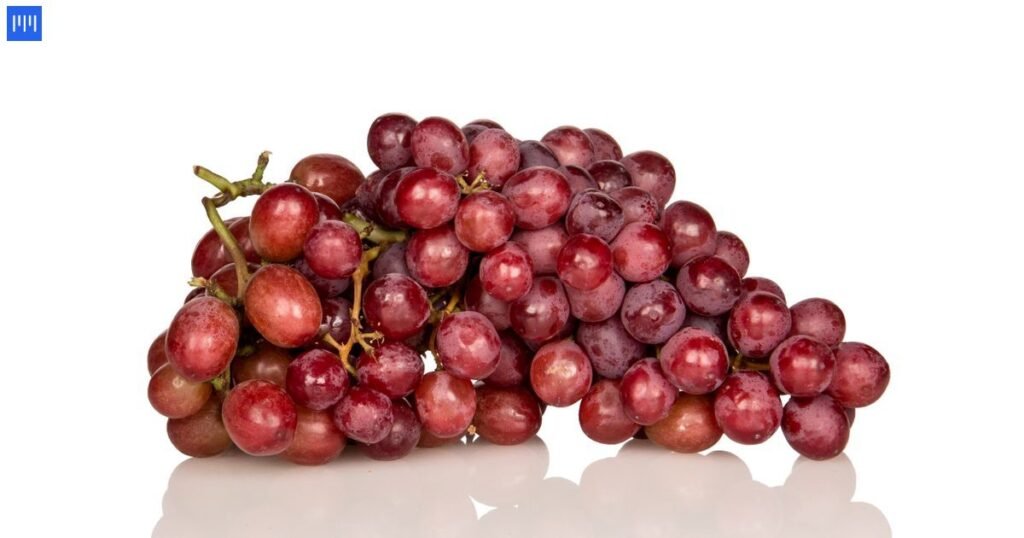
A small grape cluster stem can measure around 2 inches or slightly more, depending on the bunch. Since grape clusters naturally vary, the stem works best as an approximate visual reference.
The stem supports the grapes and connects their smaller branches to the main cluster. You can see these stems on grape bunches sold in supermarkets, markets, and grocery stores.
Grapes have been cultivated by humans for thousands of years. Ancient civilizations grew them for food and winemaking, making the ordinary grape cluster part of a very old agricultural tradition.
8. Small Strawberry
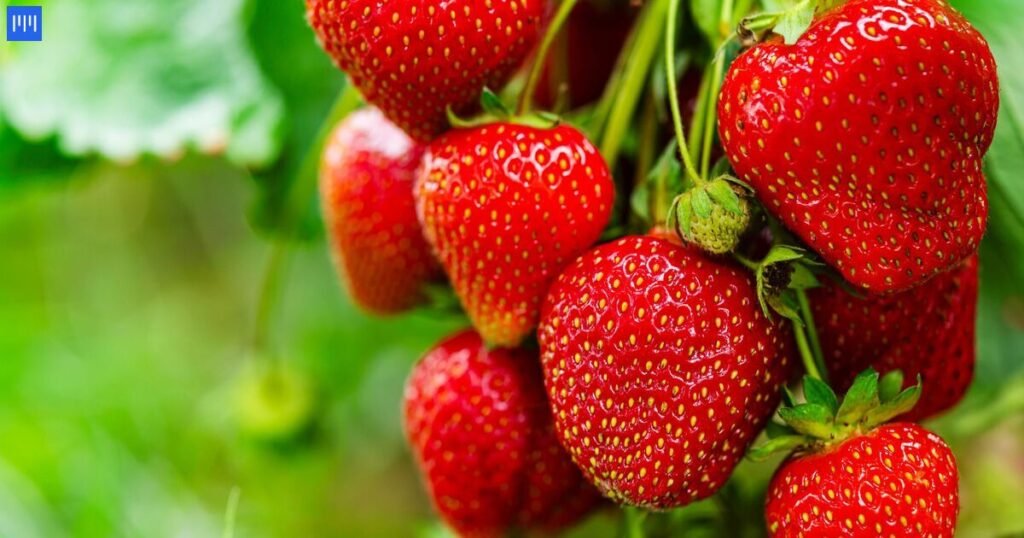
A small strawberry can measure roughly 1.5 to 2 inches long, although its size varies by variety. A berry close to 2 inches gives you a familiar natural example of this short distance.
Strawberries are eaten fresh and used in smoothies, jams, cakes, desserts, cereals, and salads. They are common in supermarkets, home gardens, farmers’ markets, and restaurants.
The modern garden strawberry developed from plants brought together from North and South America. Interestingly, the tiny dots on its surface are individual fruits called achenes.
9. Lip Balm Tube
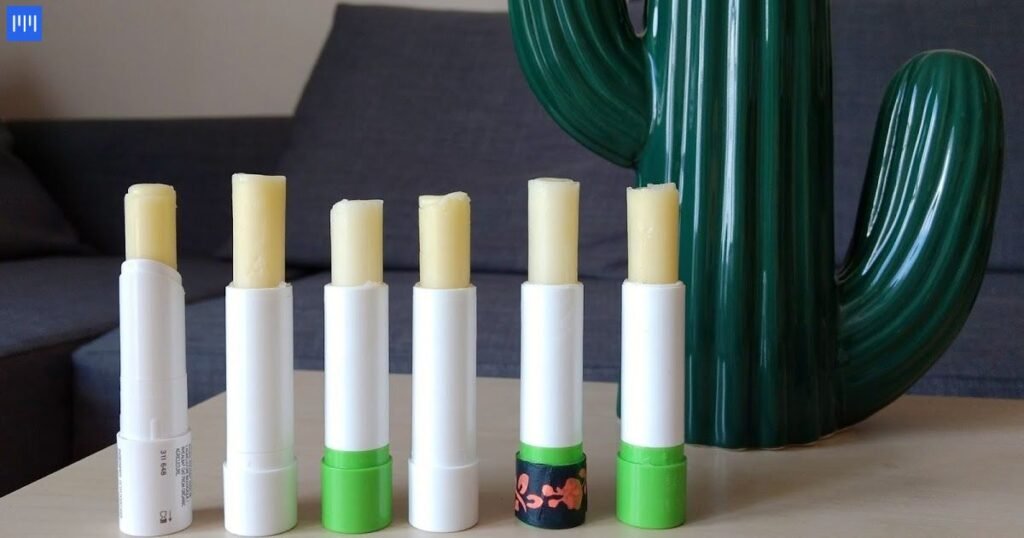
A compact lip balm tube is often close to 2 inches long, although packaging varies between brands. Its narrow pocket-sized shape makes it an easy everyday comparison for this measurement.
Lip balm helps moisturize and protect dry lips and is commonly carried in pockets, handbags, cars, and bathroom cabinets. Its small size makes it convenient to use throughout the day.
Lip care has ancient roots, with people using natural oils, waxes, and other materials to protect their lips. Modern commercial lip balms later made this simple form of care much easier to carry.
10. Small Measuring Spoon
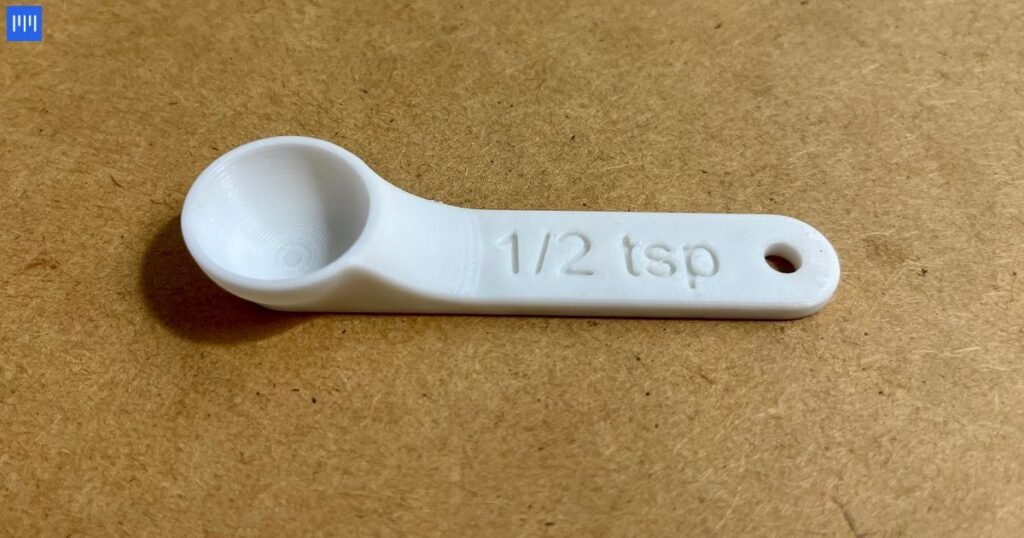
A small measuring spoon can have a bowl roughly 1.5 to 2 inches across, depending on its design. This makes its width a useful approximate reference when trying to picture 2 inches.
Measuring spoons are used for small amounts of spices, sugar, salt, baking powder, extracts, and liquids. They are especially useful in cooking and baking when accurate portions matter.
Standardized measuring spoons became increasingly important as modern recipes developed. A US teaspoon, for example, is standardized at 5 milliliters, unlike ordinary household spoons that can vary.
11. Small Hair Clip
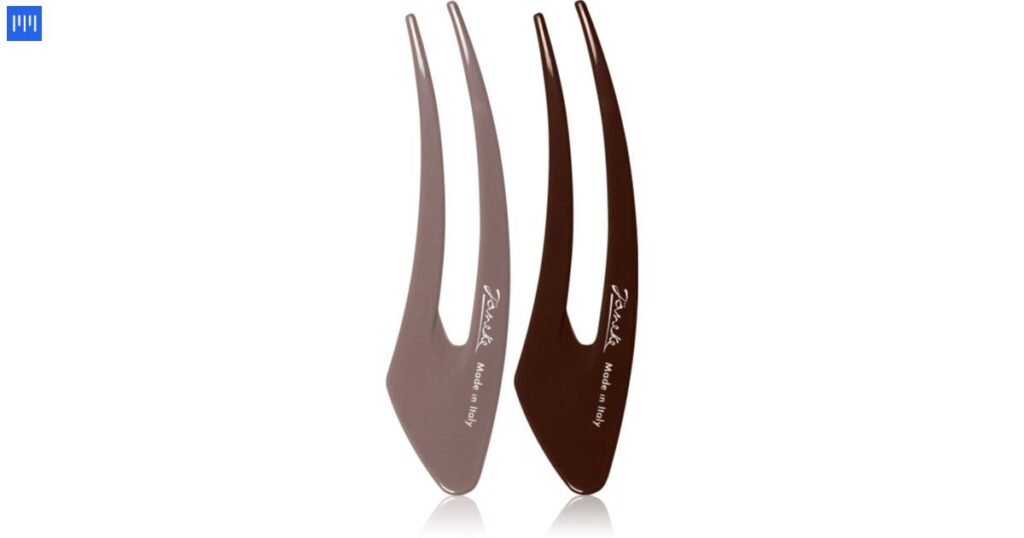
A small hair clip can be close to 2 inches long, depending on its shape and design. A compact clip around this length provides a familiar reference for visualizing 2 inches.
Hair clips hold sections of hair in place and are commonly found in bathrooms, bedrooms, handbags, and salons. They can be used for simple styling or keeping loose hair organized.
Hair accessories have been used for thousands of years in different forms. Ancient people made hair pins and fasteners from materials such as bone, wood, and metal long before modern plastic clips appeared.
12. Bottle Cap
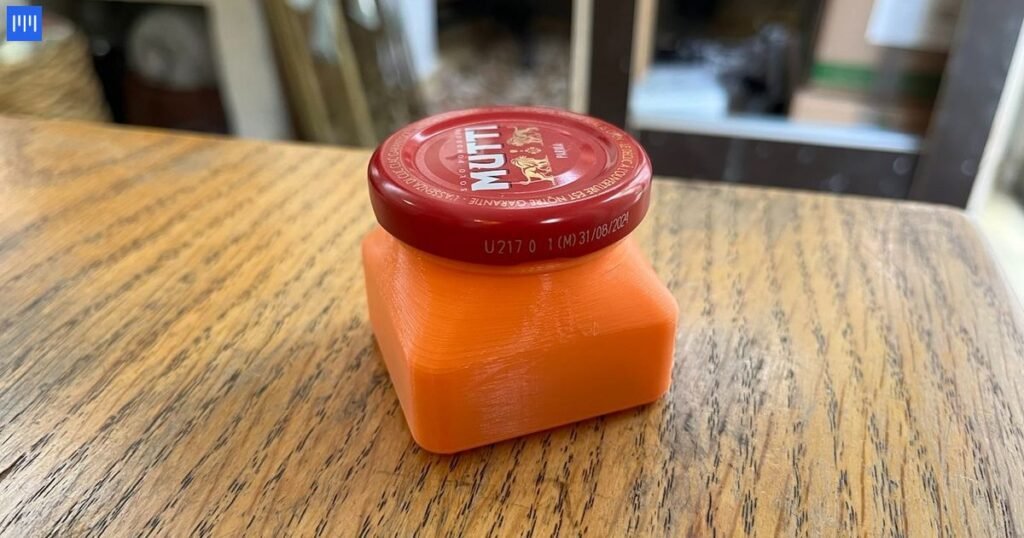
A typical plastic bottle cap is about 1 to 1.2 inches across, so one cap is smaller than 2 inches. Placing two caps side by side creates roughly 2 to 2.4 inches, giving you a practical comparison.
Bottle caps seal water bottles, soft drinks, sports drinks, and many other containers. Their ridged edges provide extra grip, making the cap easier to twist open and close.
Modern plastic screw caps became common as bottled beverages grew more popular. Many also include a tamper-evident ring that separates when opened and helps show whether the bottle has been opened before.
13. Sewing Thimble
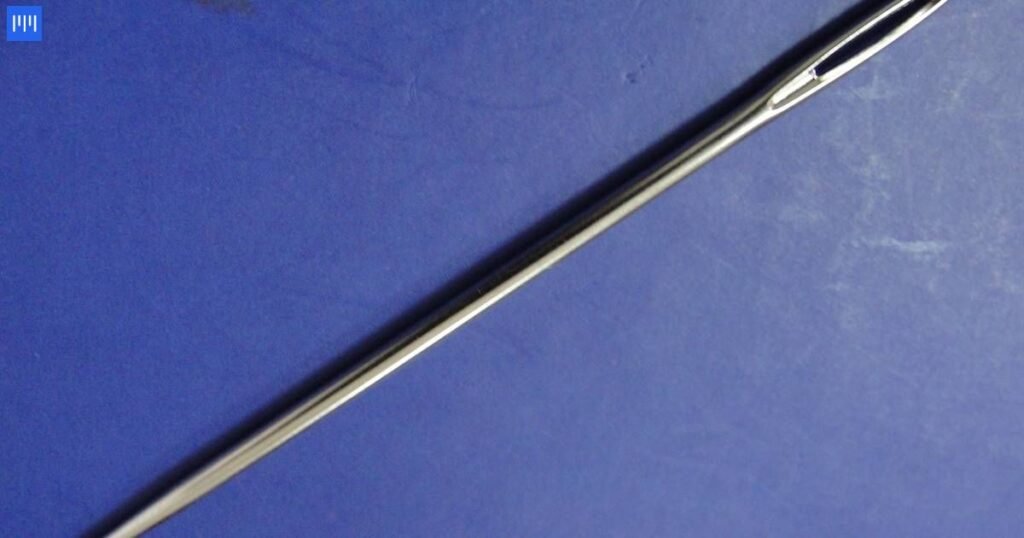
A traditional sewing thimble is usually around 0.7 to 1 inch tall, so one is smaller than 2 inches. Two small thimbles together can provide a rough visual reference for this distance.
A thimble protects the finger while pushing a needle through fabric. It is commonly used for sewing, quilting, embroidery, and other types of needlework.
Thimbles have been used for centuries and were made from materials such as metal, leather, and bone. Some historical examples were beautifully decorated and even crafted from valuable metals.
Conclusion
Two inches equals 5.08 centimeters, and it can be surprisingly difficult to judge such a short distance by eye. Comparing it with familiar objects like an AA battery, lime, paper clip, golf tee, key, USB drive, and other everyday items makes how long 2 inches? much easier to understand.
The key is not memorizing a number, but connecting it with things you already know. Once you recognize 2 inches as roughly the length of an AA battery or a compact everyday item, you can estimate this measurement anywhere, even without a ruler.




2 thoughts on “How Long Is 2 Inches? 13 Everyday Examples Explained”